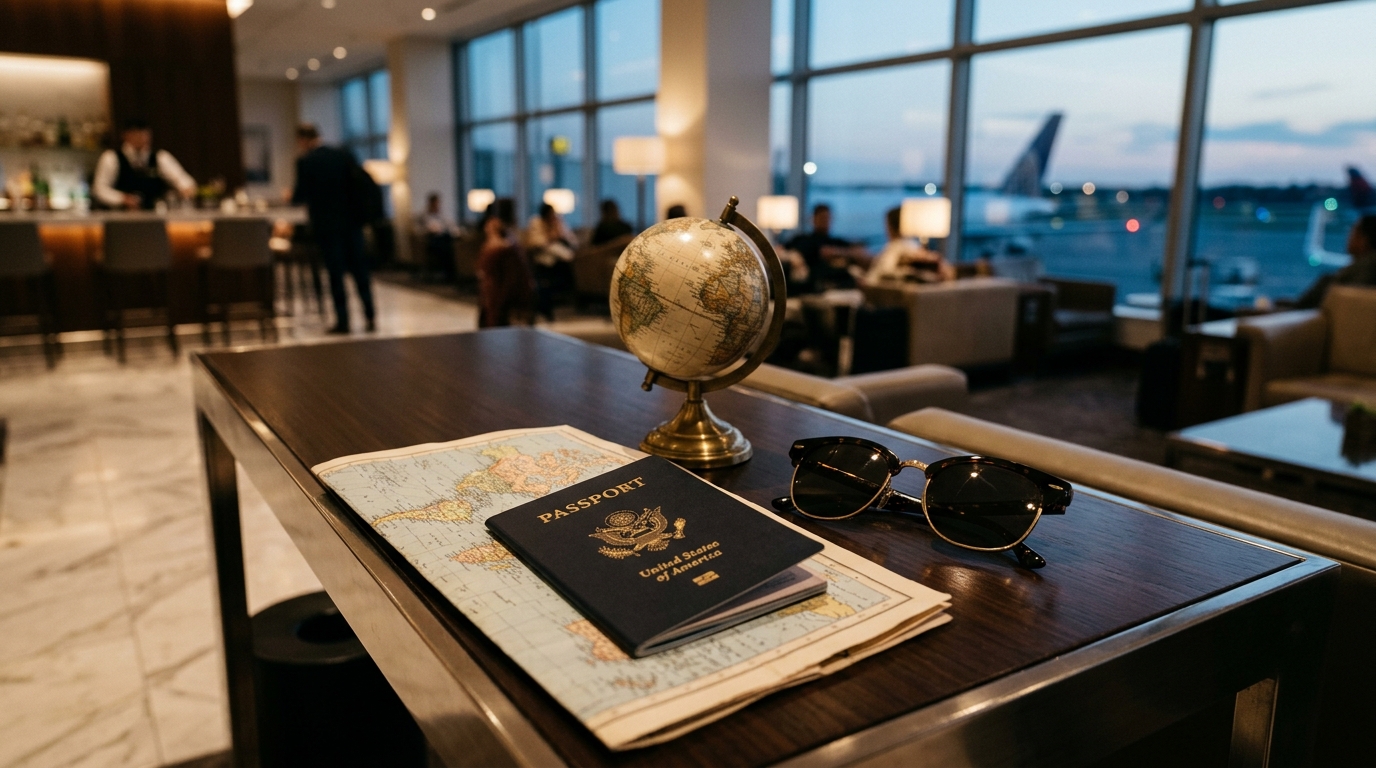
Navigating USA Domestic Air Travel
Traveling within the United States involves over 45,000 daily flights across major network carriers (Delta, American, United, Southwest, Alaska, JetBlue) and ultra-low-cost carriers (Frontier, Spirit, Allegiant).
Understanding the domestic hub-and-spoke system, connecting bank structures, and the difference between legacy carriers and unbundled low-cost tickets can save you hundreds of dollars per passenger.
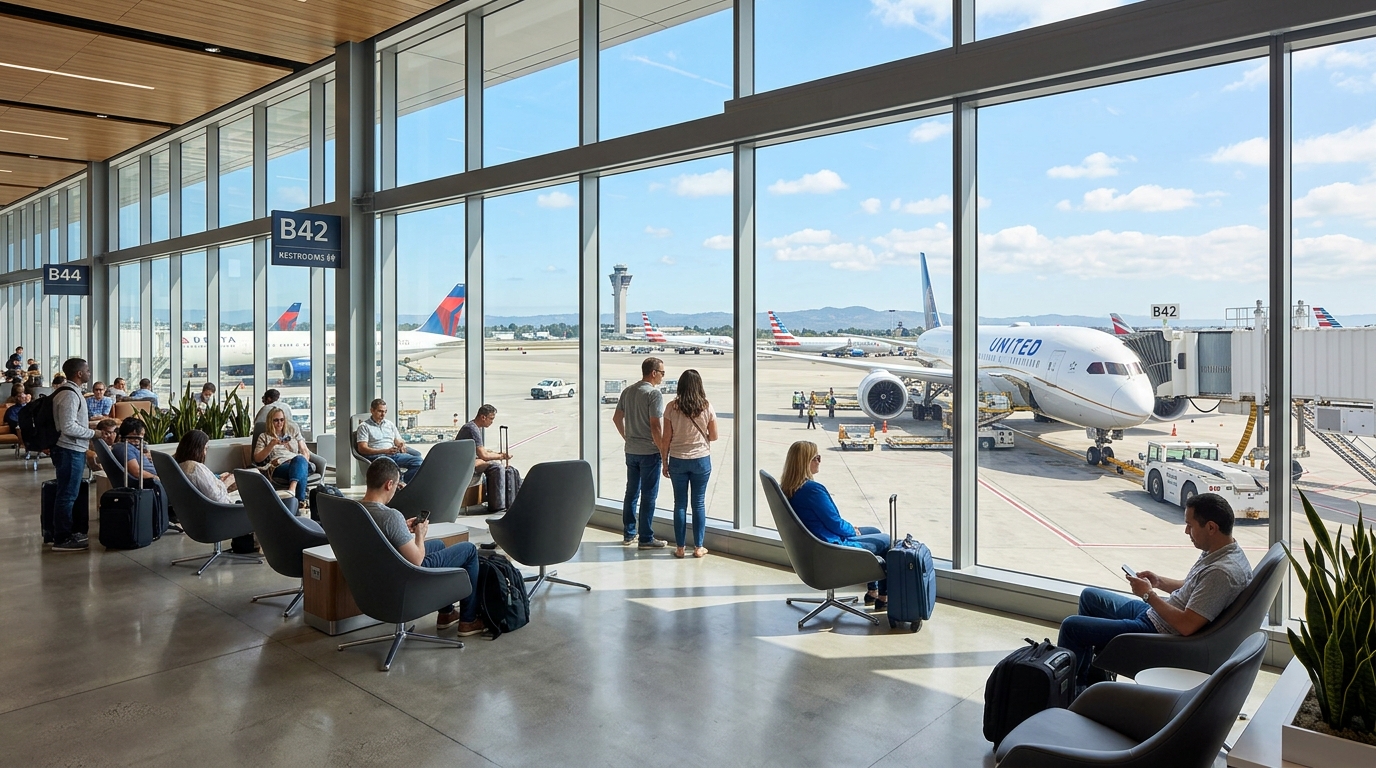
REAL ID & Identification Rules
All passengers 18 years and older must carry a REAL ID-compliant state driver's license, enhanced driver's license, or US passport to pass TSA security. Standard non-compliant state IDs are rejected at airport security checkpoints.
The 28–60 Day Domestic Sweet Spot
Historical airline pricing algorithms show domestic fares hit their lowest baseline between 1 and 2 months prior to departure. Last-minute tickets (within 14 days) spike drastically due to corporate business travelers.
Domestic Baggage & Carry-On Secrets
Standard carry-on limits are 22 x 14 x 9 inches. Beware: United Basic Economy prohibits standard overhead carry-on bags (only personal item allowed under seat), while Delta and American include a full overhead carry-on.
Southwest "Bags Fly Free" Strategy
Southwest Airlines stands unique in domestic aviation by providing two free checked bags (up to 50 lbs each) with every ticket, saving a family of four up to $280 in roundtrip baggage charges compared to legacy carriers.
Connecting Hubs & Weather Delays
When booking connections, allow at least 60–75 minutes in mega-hubs like Atlanta (ATL), Chicago O'Hare (ORD), Denver (DEN), and Dallas-Fort Worth (DFW). Winter transfers in northern hubs require extra buffer for de-icing procedures.
DOT Automatic Cash Refund Protections
Under new US Department of Transportation rules, if an airline cancels your flight or significantly delays it (3+ hours domestic) and you choose not to travel, you are entitled to a 100% prompt cash refund—not a travel voucher.